
Discover the best monsoon skincare routine for all skin types. Learn how to prevent acne, oily skin, fungal infections, and dullness with these simple skincare tips.
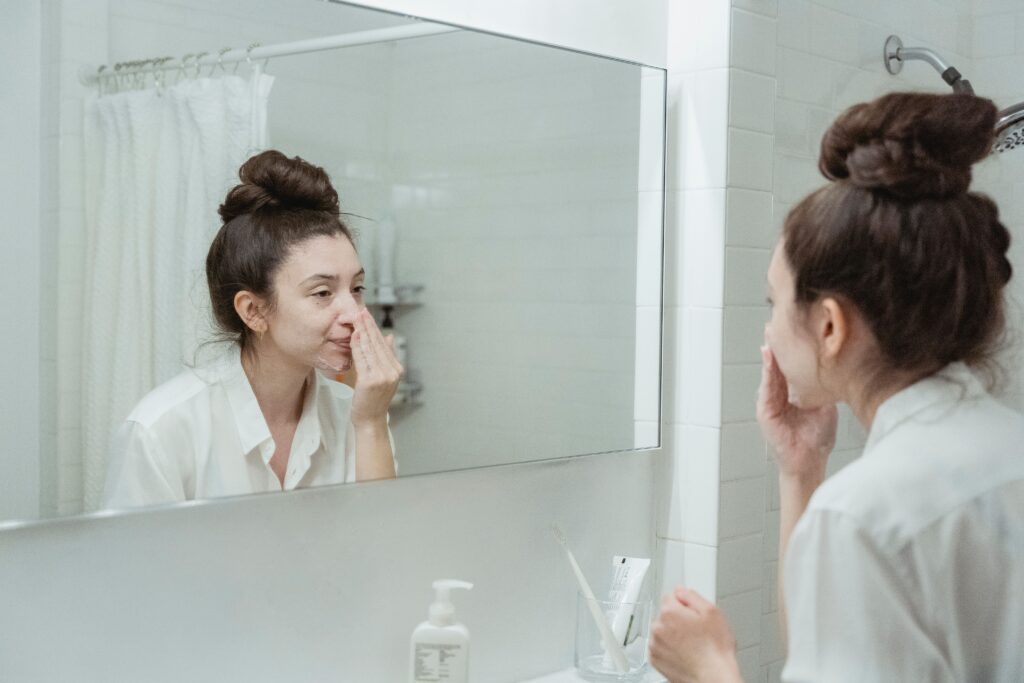
Monsoon Skincare Routine: Maintain Healthy, Radiant Skin During the Rainy Season
The monsoon season offers much-needed respite from the summer heat, cold weather, and new foliage. But it also brings with it high humidity, perspiration, blocked pores, fungal infections, and acne. Your skin may get oily, dull, or irritated if you don’t change your skincare routine during the rainy season.
The good news is that pricey items are not necessary. Your skin can remain clean, fresh, and radiant during the rainy season with a straightforward and regular monsoon skincare routine.
Everything you need to know is covered in this guide, including skincare advice for combination, oily, dry, and sensitive skin.
Why Does Your Skin Change During the Monsoon?
The rainy season causes a notable increase in humidity. Your skin is impacted by this in multiple ways:
- An increase in oil production.
- Pore blockages.
- Pimples and acne are common.
- The face feels sticky.
- Bacterial and fungal infections.
- Skin that is dehydrated despite humidity.
- Dull skin tone
This is why it’s crucial to pay attention to a certain skincare routine during the rainy season.
Step 1: Wash your face twice a day.
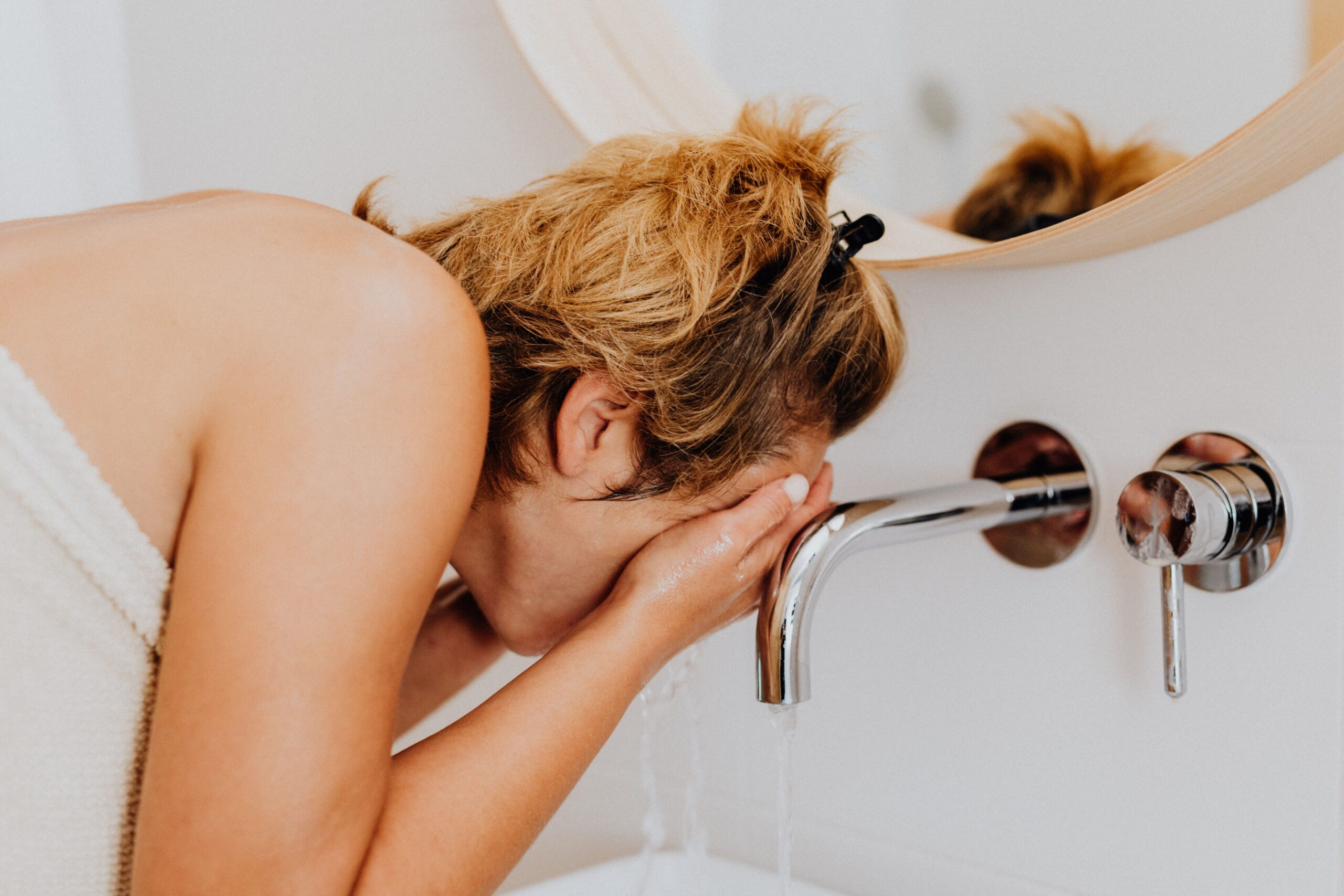
A gentle cleanser removes dirt, excess oil, sweat, and pollution that build up during humid weather.
Choose a cleanser according to your skin type:
Oily Skin
- Gel cleanser
- Salicylic acid face wash
Dry Skin
- Cream-based cleanser
- Hydrating cleanser
Combination Skin
- Mild foaming cleanser
Sensitive Skin
- Fragrance-free gentle cleanser
Step 2: Use an Alcohol-Free Toner
Many people skip toner, but it can help balance your skin after cleansing.
Benefits include:
- Removes leftover impurities
- Controls excess oil
- Minimizes the appearance of pores
- Refreshes the skin
Look for ingredients like:
- Rose water
- Green tea
- Witch hazel
- Niacinamide
Avoid toners containing high amounts of alcohol.
Step 3: Apply a Lightweight Moisturizer
One of the biggest skincare myths is that you don’t need moisturizer during the rainy season.
Humidity doesn’t replace hydration.
A good moisturizer helps:
- Maintain your skin barrier
- Prevent dryness
- Reduce excess oil production
- Keep skin soft
Best moisturizers by skin type
Oily Skin
- Gel-based moisturizer
Dry Skin
- Ceramide or hyaluronic acid moisturizer
Combination Skin
- Lightweight lotion
Sensitive Skin
- Fragrance-free moisturizer
Step 4: Never Skip Sunscreen
Many people believe sunscreen isn’t needed on cloudy days.
This is false.
Ultraviolet (UV) rays can still penetrate clouds and damage your skin.
Choose:
- SPF 30 or higher
- Broad-spectrum protection
- Non-greasy formula
- Water-resistant sunscreen
Apply sunscreen every morning and reapply if you’re outdoors for long periods.
Step 5: Exfoliate Every Week or Twice
Dead skin cells accumulate quickly in humid weather.
Gentle exfoliation helps:
- Unclog pores
- Prevent acne
- Improve skin texture
- Brighten dull skin
Avoid harsh scrubs.
Instead, choose mild chemical exfoliants like:
- Salicylic acid
- Lactic acid
- Mandelic acid
Over-exfoliating can damage your skin barrier.
Step 6: Stay Hydrated
Even though the weather feels cool, your body still loses water.
Drink:
- 2–3 liters of water daily
- Coconut water
- Lemon water
- Herbal tea
Hydrated skin naturally looks healthier and brighter.
Step 7: Eat Skin-Friendly Foods

Healthy skin begins from within.
Include these foods during the monsoon:
Fruits
- Papaya
- Apples
- Pomegranate
- Pears
- Jamun
Vegetables
- Spinach
- Carrots
- Cucumber
- Bottle gourd
- Pumpkin
Healthy Fats
- Almonds
- Walnuts
- Flaxseeds
Protein Sources
- Eggs
- Lentils
- Paneer
- Fish
- Chicken
Reduce:
- Fried foods
- Sugary snacks
- Excess dairy if you’re acne-prone
- Soft drinks
Step 8: Don’t Touch Your Face Frequently
Your hands carry bacteria that can transfer to your face.
This increases the risk of:
- Pimples
- Acne
- Skin infections
Avoid touching your face needlessly and wash your hands frequently.
Step 9: Remove Makeup Before Sleeping
Breakouts can result from sleeping with makeup on because it plugs pores.
Follow this simple nighttime routine:
- Remove makeup.
- Cleanse your face.
- Apply moisturizer.
- Use an acne treatment if needed.
Your skin repairs itself while you sleep.
Step 10: Change Towels and Pillow Covers Regularly
Humidity encourages bacteria and fungi to grow.
For healthy skin:
- Change pillow covers every 3–4 days.
- Use a clean face towel.
- Avoid sharing towels.
- Dry towels completely after use.
These simple habits can reduce acne and skin infections.
The Greatest Monsoon Skincare Routine for Oily Skin
In the morning:
- SPF 30 sunscreen, oil-free moisturizer, gel cleanser, and toner
At night:
- Cleanser with niacinamide serum.
- A light moisturizer.
best monsoon skincare regimen for dry skin
In the morning:
- Hydrating cleanser, moisturizer, and sunscreen
At night:
- Hyaluronic acid serum, rich moisturizer, cream cleanser,
The best monsoon skincare regimen for combination skin
In the morning:
- Mild cleanser
- Toner
- Lightweight moisturizer
- Sunscreen
At night:
- Cleanser
- Niacinamide serum
- Moisturizer
Best Monsoon Skincare Routine for Sensitive Skin
Choose products that are:
- Fragrance-free
- Alcohol-free
- Dermatologist-tested
- Non-comedogenic
Always patch-test new products before applying them to your face.
Natural Home Remedies for Healthy Monsoon Skin

If you enjoy natural skincare, try these simple remedies:
Aloe Vera Gel
Calms irritated skin and provides lightweight hydration.
Cucumber
Refreshes tired skin and reduces puffiness.
Honey
A natural humectant that helps retain moisture.
Green Tea
Rich in antioxidants that soothe the skin.
Your skin’s needs change with the seasons, and the monsoon is no exception. High humidity, pollution, and excess oil can make skincare challenging, but a simple daily routine can help prevent most common problems.
Focus on cleansing gently, moisturizing regularly, protecting your skin from UV rays, and maintaining healthy lifestyle habits. Consistency matters more than using dozens of products. With the right monsoon skincare routine, you can enjoy fresh, healthy, and glowing skin all season long.
Frequently Asked Questions
Cleanse your face twice daily, use an alcohol-free toner, apply a lightweight moisturizer, wear SPF 30 or higher sunscreen, and exfoliate once or twice a week.
Yes. Humid weather doesn’t mean your skin is fully hydrated. A lightweight moisturizer helps maintain a healthy skin barrier and prevents dehydration.
Absolutely. UV rays can penetrate clouds and still damage your skin, making daily sunscreen essential.
Use a gentle cleanser, avoid touching your face, keep your skin clean, use non-comedogenic products, and wash pillowcases regularly.
Niacinamide, hyaluronic acid, ceramides, salicylic acid, aloe vera, green tea, and glycerin are excellent choices for most skin types.
No. Exfoliating once or twice a week is enough. Excessive exfoliation can weaken your skin barrier and cause irritation.